Oral hygiene instruction is paramount for preventative care‚ impacting overall wellbeing and extending beyond simply brushing; it’s a comprehensive lifestyle approach.
Effective techniques‚ dietary awareness‚ and tailored plans are crucial for maintaining a healthy and radiant smile throughout all life stages.
The Importance of Preventative Dental Care
Preventative dental care‚ rooted in consistent oral hygiene instruction‚ dramatically reduces the need for costly and invasive treatments later in life. Regular brushing‚ flossing‚ and professional cleanings form the cornerstone of this approach.
By proactively addressing plaque buildup and potential issues‚ individuals can avoid cavities‚ gum disease‚ and even systemic health complications. Early intervention‚ especially for children‚ establishes lifelong habits. Cutting down on sugar intake and adopting a mindful diet further enhances preventative efforts‚ safeguarding oral health and overall wellness.
The Link Between Oral Health and Overall Wellbeing
Oral health is inextricably linked to systemic wellbeing‚ a concept increasingly emphasized in oral hygiene instruction. Poor oral hygiene can contribute to conditions like cardiovascular disease‚ diabetes‚ and respiratory infections.
Inflammation in the gums can release bacteria into the bloodstream‚ impacting distant organs. Conversely‚ conditions like osteoporosis can affect dental health‚ highlighting the bidirectional relationship. Maintaining good oral hygiene‚ therefore‚ isn’t just about a healthy smile; it’s a vital component of comprehensive health management.
Brushing Techniques for Effective Cleaning
Brushing‚ a cornerstone of oral hygiene instruction‚ requires proper technique‚ toothbrush selection‚ and consistent frequency to effectively remove plaque and prevent decay.
Correct Toothbrush Selection (Bristle Type & Size)
Choosing the right toothbrush is fundamental to effective oral hygiene instruction. Dentists generally recommend soft-bristled brushes to avoid enamel damage and gum irritation.
Bristle size should comfortably reach all tooth surfaces‚ including back molars. Manual or electric toothbrushes are viable options‚ with electric models often aiding in consistent technique.
Replace your toothbrush every three months‚ or sooner if bristles are frayed‚ to maintain optimal cleaning efficacy and prevent bacterial buildup. Consider brush head size for comfortable access.
Proper Brushing Technique (Angle & Motion)
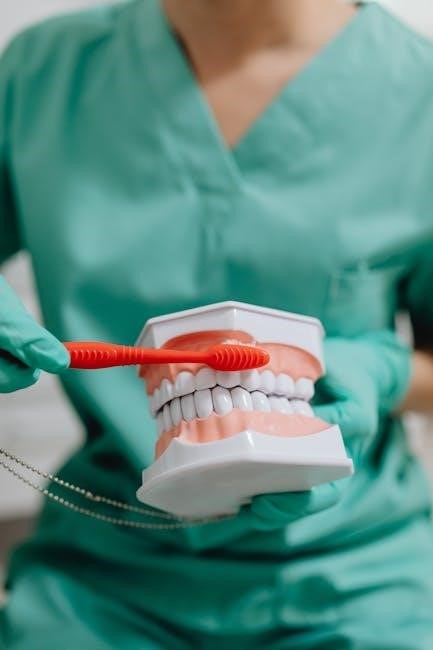
Effective brushing involves a gentle‚ circular motion‚ ensuring all tooth surfaces are cleaned. Hold the toothbrush at a 45-degree angle towards the gumline‚ promoting plaque removal.
Brush each tooth individually‚ dedicating adequate time to every surface – outer‚ inner‚ and chewing surfaces. Avoid harsh scrubbing‚ which can harm gums and enamel.
Remember to brush your tongue to eliminate bacteria and freshen breath. Consistent‚ correct technique is more important than brushing force for optimal oral hygiene.
Brushing Frequency and Duration
Dental professionals universally recommend brushing at least twice daily – once in the morning and once before bed. This removes plaque and food debris accumulated throughout the day.
Each brushing session should last a minimum of two minutes. Divide your mouth into quadrants‚ spending 30 seconds on each to ensure thorough cleaning.
Consistent adherence to this frequency and duration is vital for preventing tooth decay and maintaining optimal oral hygiene‚ contributing to long-term dental health.
Interdental Cleaning Methods
Interdental cleaning‚ like flossing‚ is essential for removing plaque and debris from areas a toothbrush can’t reach‚ promoting gum health and preventing decay.
The Role of Flossing in Removing Plaque
Flossing is a cornerstone of interdental cleaning‚ effectively disrupting and removing plaque buildup between teeth where brushes struggle to access. This daily practice prevents gingivitis and periodontal disease.
Different floss types – waxed‚ unwaxed‚ and dental tape – cater to individual preferences and tooth spacing. Consistent flossing reaches below the gumline‚ eliminating bacteria and food particles.
Neglecting this step allows plaque to harden into tartar‚ requiring professional removal. Therefore‚ incorporating flossing into your routine is vital for optimal oral health.
Types of Floss (Waxed‚ Unwaxed‚ Dental Tape)
Waxed floss slides easily between teeth‚ ideal for tight spaces‚ while unwaxed floss offers a better grip for plaque removal‚ though it may shred. Dental tape‚ broader and flatter‚ is excellent for wider gaps between teeth.
Choosing the right floss depends on individual needs and preferences. Some flosses are also flavored or contain fluoride for added benefits. Experimenting can help determine what works best.
Regardless of the type‚ proper technique is crucial for effective cleaning and preventing gum irritation.
Interdental Brushes and Water Flossers
Interdental brushes‚ small brushes that fit between teeth‚ are highly effective at removing plaque and debris in larger spaces where floss may struggle. They come in various sizes to match different gaps.
Water flossers (oral irrigators) use a stream of water to clean between teeth and below the gumline‚ beneficial for those with braces or difficulty using traditional floss.
Both are excellent additions to a daily routine‚ complementing flossing and promoting optimal oral health.
Dietary Considerations for Oral Health
Diet profoundly impacts oral health; limiting sugar and acidic foods protects enamel‚ while foods stimulating saliva promote natural cleaning and neutralize harmful acids.
The Impact of Sugar on Tooth Decay
Sugar is a primary contributor to tooth decay‚ fueling acid production by bacteria in the mouth. This acid erodes tooth enamel‚ leading to cavities and potential infections. Frequent sugar consumption‚ especially sticky or retentive sweets‚ provides a prolonged food source for these bacteria.
Reducing sugary intake – including hidden sugars in processed foods and drinks – is vital. Consistent oral hygiene practices‚ like brushing and flossing‚ help remove sugar residue and mitigate its damaging effects‚ but dietary moderation remains key to preventing decay.
Acidic Foods and Enamel Erosion
Acidic foods and beverages significantly contribute to enamel erosion‚ weakening the tooth’s protective outer layer. Frequent exposure to acids – found in citrus fruits‚ sodas‚ and even some fruit juices – softens enamel‚ making teeth more susceptible to decay and sensitivity.
Limiting acidic intake and rinsing the mouth with water after consumption can help neutralize acids. Avoiding brushing immediately after consuming acidic foods is also crucial‚ as enamel is temporarily softened and more vulnerable to abrasion.
Foods that Promote Saliva Production
Saliva is a natural defense against tooth decay‚ neutralizing acids and remineralizing enamel. Consuming foods that stimulate saliva production is therefore beneficial for oral health. Crunchy fruits and vegetables‚ like apples and carrots‚ require more chewing‚ encouraging saliva flow.
Sugar-free gum is another excellent option‚ boosting saliva production and helping to clear away food particles. Adequate hydration is also vital‚ as water supports saliva production and maintains overall oral moisture.
Oral Hygiene for Specific Populations
Tailored oral hygiene is essential for children‚ pregnant women‚ and individuals with conditions like osteoporosis‚ requiring modified techniques and increased preventative measures.
Oral Hygiene for Children (Early Intervention)
Early intervention in children’s oral hygiene is foundational for lifelong dental health. Begin brushing as soon as the first tooth erupts‚ utilizing a soft-bristled brush and a smear of fluoride toothpaste.
Parents should supervise brushing until the child demonstrates adequate dexterity‚ typically around age seven or eight. Establishing positive habits early‚ like regular dental visits‚ fosters a comfortable and proactive approach to oral care.
Limiting sugary drinks and snacks is also crucial in preventing early childhood caries‚ ensuring a bright and healthy smile for years to come.
Oral Hygiene During Pregnancy
Oral hygiene during pregnancy is critically important due to hormonal changes that can increase susceptibility to gingivitis and periodontal disease. Expectant mothers should maintain meticulous oral care‚ including twice-daily brushing with fluoride toothpaste and daily flossing.
Regular dental check-ups are essential‚ informing the dentist of the pregnancy. Addressing oral health issues during pregnancy not only benefits the mother but also contributes to a healthy pregnancy outcome and the baby’s future oral health.
Oral Hygiene for Individuals with Osteoporosis
Oral hygiene for individuals with osteoporosis requires extra diligence‚ as bone loss can affect jawbone density and increase the risk of tooth loss. Maintaining excellent oral hygiene is crucial‚ especially before any invasive dental procedures.
Regular dental check-ups‚ gentle brushing‚ and careful flossing are vital. Discussing osteoporosis and any related medications with your dentist ensures a tailored oral care plan minimizing potential complications and preserving dental health.
Managing Oral Mucositis
Oral mucositis management centers on prevention and relief through meticulous oral care‚ especially during cancer treatments‚ reducing infection risks and discomfort.
Causes and Symptoms of Oral Mucositis
Oral mucositis arises primarily from radiotherapy and chemotherapy‚ causing painful inflammation of the oral tissues. This debilitating condition manifests as redness‚ swelling‚ and open sores within the mouth.
Symptoms include intense pain‚ difficulty swallowing‚ and altered taste‚ significantly impacting a patient’s quality of life and nutritional intake. The severity varies based on treatment type and dosage‚ demanding proactive oral hygiene instruction for prevention and management.
Early detection and intervention are key to minimizing discomfort and complications.
Strategies for Prevention and Relief
Preventing oral mucositis centers on meticulous oral hygiene instruction – gentle brushing with a soft-bristled toothbrush and frequent rinsing with saline or bicarbonate solutions. Avoiding alcohol-based mouthwashes is crucial.
For relief‚ topical anesthetics and protective coatings can alleviate pain and promote healing. Maintaining adequate hydration and a soft-food diet are also essential. Proactive oral care significantly reduces infection risks‚ especially in stem cell transplant patients.
Regular assessment and tailored advice are vital.
The Role of Oral Care in Stem Cell Transplant Patients
Oral care is critically important for stem cell transplant patients‚ as oral mucositis – painful mouth sores – dramatically increases infection risks. Proactive oral hygiene instruction‚ including gentle brushing and frequent rinsing‚ is essential for prevention.
Studies demonstrate a direct correlation between diligent oral care and reduced ICU stays‚ ventilation duration‚ and overall improved patient outcomes. Minimizing oral bacteria lessens the chance of systemic infections during a vulnerable period.
Consistent monitoring is key to effective management.
Oral Hygiene and Hospitalized Patients
Hospitalized patients benefit greatly from consistent oral care‚ reducing ICU time‚ pneumonia risk‚ and ventilation duration; instruction is vital for improved outcomes.
The Impact of Oral Care on ICU Outcomes
Rigorous oral hygiene protocols demonstrably improve outcomes for patients within Intensive Care Units (ICUs). Studies reveal a direct correlation between dedicated oral care and a reduction in both the length of ICU stays and the overall number of patients requiring intensive care;
Furthermore‚ consistent oral care significantly minimizes the duration of mechanical ventilation needed‚ lessening the risk of ventilator-associated pneumonia. Implementing comprehensive oral hygiene instruction for ICU staff is therefore crucial for optimizing patient recovery and minimizing healthcare-associated infections.
Preventing Pneumonia Through Oral Hygiene
Maintaining meticulous oral hygiene is a critical‚ yet often overlooked‚ component in pneumonia prevention‚ particularly for vulnerable patients. Oral bacteria can easily be aspirated into the lungs‚ initiating or exacerbating respiratory infections like pneumonia.
Consistent oral hygiene instruction‚ emphasizing regular brushing and antimicrobial rinses‚ disrupts bacterial colonization. This proactive approach significantly reduces the risk of developing pneumonia‚ especially in individuals receiving mechanical ventilation or with compromised immune systems‚ leading to improved patient safety.
Oral Care for Patients on Mechanical Ventilation
Patients requiring mechanical ventilation are at heightened risk for oral health complications and subsequent pneumonia. Oral hygiene instruction for this population must be rigorous and frequent‚ often every two to four hours‚ utilizing specialized tools and techniques.
This includes gentle brushing‚ regular oral rinses with chlorhexidine‚ and meticulous removal of biofilm. Consistent care minimizes bacterial load‚ reduces inflammation‚ and significantly lowers the risk of ventilator-associated pneumonia‚ improving patient outcomes.
The Role of Professional Dental Cleanings
Professional dental cleanings are vital for removing hardened plaque‚ offering benefits beyond basic cleaning‚ and reinforcing effective oral hygiene instruction practices.
Frequency of Professional Cleanings
Determining the ideal frequency of professional dental cleanings is highly individualized‚ guided by a patient’s specific oral hygiene instruction needs and risk factors.
Generally‚ twice-yearly visits are recommended for maintaining optimal oral health‚ but individuals with a history of gum disease‚ or those prone to rapid plaque buildup‚ may benefit from more frequent cleanings – perhaps every three or four months.
Consistent professional care‚ coupled with diligent at-home practices‚ ensures long-term dental wellbeing.
Scaling and Root Planing Procedures
Scaling and root planing‚ often referred to as a “deep cleaning‚” are essential components of comprehensive oral hygiene instruction‚ particularly for those with periodontal disease.
These procedures involve meticulously removing plaque and tartar from both above and below the gumline‚ followed by smoothing the root surfaces to discourage future bacterial adhesion.
This allows gums to heal and reattach to teeth‚ improving overall oral health and preventing further damage. It’s a vital step in managing and reversing gum disease.
Benefits Beyond Basic Cleaning
Professional dental cleanings‚ integral to oral hygiene instruction‚ offer benefits extending far beyond surface stain removal and fresh breath. Regular visits contribute to early detection of cavities‚ gum disease‚ and even oral cancer.
These cleanings can also positively impact systemic health‚ reducing the risk of cardiovascular disease and respiratory infections.
Furthermore‚ they reinforce proper home care techniques‚ empowering patients to maintain optimal oral health between appointments and prevent future problems.
Patient Communication and Education
Oral hygiene instruction thrives on understanding individual needs; assess expectations‚ utilize assessments‚ and tailor guidance for optimal patient engagement and lasting results.
Assessing Patient Needs and Expectations
Effective oral hygiene instruction begins with a thorough assessment of each patient’s unique circumstances. It’s often difficult to comprehensively understand what patients require or desire cosmetically‚ so direct questioning is vital.
Discovering their current oral hygiene practices‚ challenges‚ and goals allows for personalized instruction. Understanding expectations – whether focused on preventative health‚ aesthetics‚ or managing specific conditions – shapes the educational approach.
This initial dialogue builds trust and ensures the instruction resonates with the patient’s individual motivations.
Utilizing Patient Hygiene Assessments
Patient hygiene assessments are invaluable tools for tailoring oral hygiene instruction. These assessments reveal existing knowledge gaps and areas needing improvement‚ moving beyond assumptions.
Employing standardized questionnaires or practical evaluations – like plaque disclosure – provides objective data. This data highlights specific challenges‚ such as ineffective brushing or flossing techniques.
The assessment results then inform a targeted educational plan‚ addressing individual needs and maximizing the impact of the instruction provided‚ leading to better outcomes.
Tailoring Instructions to Individual Needs
Effective oral hygiene instruction isn’t one-size-fits-all; it demands personalization. Recognizing diverse dexterity levels‚ medical conditions‚ and lifestyle factors is crucial.
For patients with limited mobility‚ adapted tools like interdental brushes with handles may be beneficial. Those undergoing cancer treatment require specialized guidance due to mucositis risk.
Considering patient expectations – cosmetic desires alongside health goals – enhances motivation. A customized approach ensures instructions are relevant‚ achievable‚ and ultimately‚ successful.
Aesthetic Considerations in Oral Hygiene
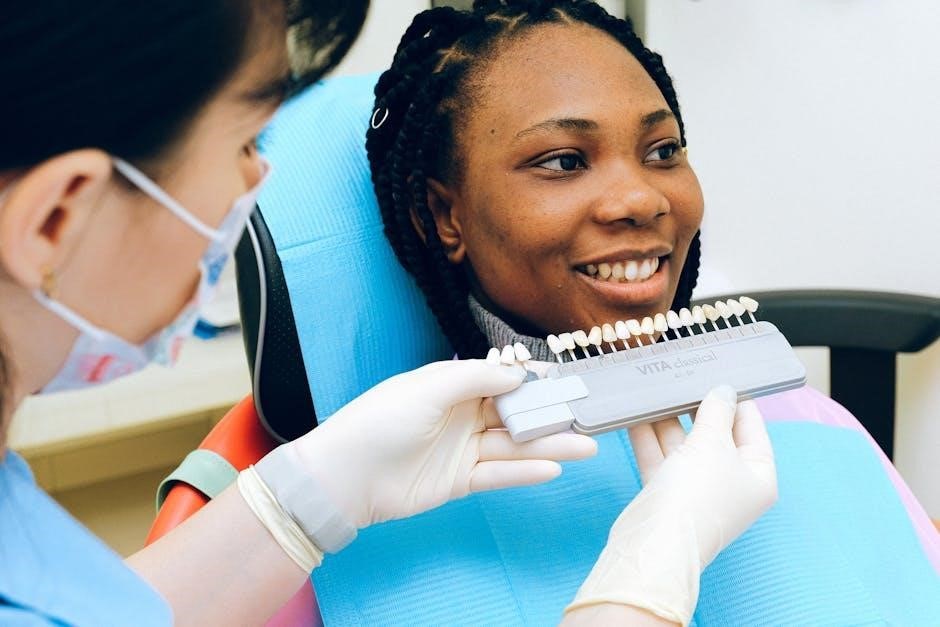
Oral hygiene significantly impacts appearance‚ delivering white teeth and fresh breath‚ boosting confidence; however‚ health remains the primary focus of instruction.
The Connection Between Oral Hygiene and Appearance
Maintaining excellent oral hygiene extends far beyond preventing cavities; it’s intrinsically linked to a person’s overall appearance and self-perception. White‚ clean teeth contribute significantly to a positive first impression‚ fostering confidence in social and professional settings.
Furthermore‚ consistent oral care combats bad breath‚ a common concern impacting interactions. A healthy smile radiates vitality and youthfulness‚ enhancing facial aesthetics. Therefore‚ aesthetic benefits serve as a powerful motivator for adopting and maintaining diligent oral hygiene practices.
Maintaining White Teeth and Fresh Breath
Achieving and sustaining a bright smile and fresh breath requires a multi-faceted approach to oral hygiene. Regular brushing with fluoride toothpaste removes surface stains and prevents plaque buildup‚ key contributors to discoloration. Flossing daily eliminates food particles and bacteria nestled between teeth‚ combating odor-causing compounds.
Limiting sugary drinks and acidic foods further protects enamel. Professional dental cleanings remove stubborn stains and polish teeth‚ while tongue scraping eliminates bacteria. Consistent effort yields noticeable aesthetic and health benefits.

Common Oral Hygiene Mistakes to Avoid
Frequent errors include brushing too aggressively‚ incorrect flossing‚ and neglecting the tongue—all hindering effective plaque removal and potentially damaging gums and enamel.
Brushing Too Hard
Aggressive brushing‚ despite good intentions‚ is a surprisingly common mistake. Applying excessive pressure doesn’t enhance cleaning; instead‚ it erodes enamel over time‚ leading to sensitivity and increasing the risk of gum recession.
Opt for a soft-bristled toothbrush and use gentle‚ circular motions. Think of polishing‚ not scrubbing. Proper technique‚ combined with fluoride toothpaste‚ effectively removes plaque without causing damage. Remember‚ healthy gums don’t bleed when brushed correctly!
Focus on technique over force for optimal oral health.
Incorrect Flossing Technique
Improper flossing renders this vital step ineffective‚ and can even harm gums. Simply snapping the floss between teeth isn’t enough; a gentle‚ C-shape curve against each tooth is essential to remove plaque below the gumline.
Avoid sawing motions‚ which can damage tissue. Use a fresh section of floss for each tooth‚ and remember to floss both sides. If you experience discomfort or bleeding‚ it may indicate incorrect technique or underlying gum disease – consult your dentist.
Mastering the correct method is key!
Neglecting the Tongue
Ignoring the tongue during your oral hygiene routine is a significant oversight! The tongue harbors bacteria contributing to bad breath and potentially impacting overall oral health. These bacteria can recolonize teeth after brushing and flossing.
Use a tongue scraper or brush gently to remove this bacterial film. Start from the back and move forward‚ rinsing the scraper/brush after each stroke. Incorporating this simple step dramatically improves freshness and contributes to a cleaner mouth.
Don’t forget this often-missed area!
The Future of Oral Hygiene Instruction
Technological advancements and personalized plans will revolutionize oral hygiene‚ offering tailored guidance and improved monitoring for optimal preventative dental care.
Technological Advancements in Oral Hygiene
The dental landscape is evolving‚ integrating smart toothbrushes with real-time feedback on brushing technique and pressure.
AI-powered apps analyze brushing data‚ identifying areas needing improvement and personalizing oral care routines.
Teledentistry expands access to professional guidance‚ offering remote consultations and monitoring.
Furthermore‚ advancements in materials science are leading to more effective and biocompatible dental products‚ enhancing preventative care and treatment outcomes.
These innovations promise a future of proactive‚ personalized oral health.
Personalized Oral Hygiene Plans
Effective oral hygiene transcends a one-size-fits-all approach; individualized plans are essential.
Comprehensive assessments of patient needs‚ expectations‚ and risk factors – including medical history and lifestyle – are crucial.
These plans should address specific concerns like gum disease‚ enamel erosion‚ or aesthetic goals.
Utilizing hygiene assessments helps tailor instructions‚ ensuring patients understand and adhere to their unique routines.
Regular review and adjustments optimize long-term oral health outcomes.
Resources for Further Learning
Expanding your knowledge of oral hygiene is a continuous journey. Numerous reputable sources offer valuable insights.
Dental associations‚ like the American Dental Association (ADA)‚ provide evidence-based guidelines and patient education materials.
University-affiliated dental schools often host online resources and webinars.
Peer-reviewed journals‚ such as the Journal of Periodontology‚ offer in-depth research.
Reliable websites and apps can track progress and offer personalized tips‚ empowering individuals to prioritize their oral health.