Supervision and Instructional Leadership embraces a collegial approach‚ focusing on teacher growth and applying leadership lessons broadly within education.
Through instructional leadership and a developmental model‚ the supervisor facilitates learning and enhances instruction‚ fostering a positive school culture.
The Evolving Role of the Educational Leader
Historically‚ the educational leader functioned primarily as an evaluator and controller‚ focused on compliance and adherence to standards. However‚ contemporary instructional leadership demands a significant shift – embracing a role as a facilitator of professional growth and a champion of collaborative learning environments.
This evolution necessitates a move away from solely observing and judging towards actively coaching and supporting teachers in their developmental journeys. The modern leader understands that effective supervision isn’t about dictating practice‚ but about fostering a culture of continuous improvement.
They prioritize building relationships‚ understanding individual teacher needs‚ and providing targeted support to enhance instruction. This requires strong interpersonal skills‚ a deep understanding of pedagogy‚ and a commitment to empowering educators.
Defining Instructional Leadership
Instructional leadership transcends traditional administrative duties‚ centering on improving teaching and learning processes within a school. It’s a transformative approach that applies core leadership principles to educational contexts‚ prioritizing the enhancement of instruction and student outcomes.
This involves actively shaping a shared vision for educational excellence‚ fostering a collaborative school culture‚ and providing consistent support for teachers’ professional development. Effective supervision‚ within this framework‚ isn’t merely evaluation‚ but a process of facilitating growth.
Leaders champion data-driven decision-making‚ curriculum alignment‚ and the implementation of best practices‚ ultimately creating an environment where all students can thrive. It’s about empowering teachers to become reflective practitioners and lifelong learners.

Historical Context and Development
Supervision evolved from traditional inspection to a focus on teacher growth‚ influenced by humanistic psychology and a shift towards collaborative instructional leadership.
Early Models of Supervision
Initially‚ supervision mirrored industrial inspection models‚ emphasizing control and adherence to prescribed methods—a highly directive approach. These early iterations focused primarily on identifying teacher deficiencies and ensuring conformity to established standards‚ lacking a developmental component.
This traditional framework often involved infrequent‚ evaluative observations‚ with limited feedback geared towards improvement. The supervisor functioned as an authority figure‚ dictating practice rather than fostering professional growth. Consequently‚ these models often created a climate of fear and resistance among teachers.
Later‚ clinical supervision emerged‚ drawing parallels from medical practice‚ emphasizing detailed observation‚ conferencing‚ and a more focused analysis of teaching behaviors. However‚ even clinical models often lacked a broader‚ long-term developmental perspective.
The Shift Towards Instructional Supervision
A pivotal change occurred as the focus moved from simply inspecting teaching to actively improving instruction – the rise of instructional supervision. This transition acknowledged teaching as a complex process requiring ongoing support and collaborative problem-solving‚ rather than mere fault-finding.

This new approach prioritized observing teaching with a focus on student learning outcomes and providing constructive feedback aligned with best practices. Supervisors began to see themselves as resources for teachers‚ offering guidance on curriculum development‚ instructional strategies‚ and classroom management.
The emphasis shifted from a hierarchical power dynamic to a more collegial partnership‚ fostering a culture of continuous improvement and professional growth. This evolution laid the groundwork for more developmental models of supervision.
The Influence of Humanistic Psychology
Humanistic psychology profoundly impacted supervision‚ shifting the focus to the teacher as a whole person with unique needs‚ values‚ and potential. This perspective emphasized self-actualization and personal growth‚ influencing supervisors to adopt a more empathetic and supportive role.
Supervisors began to prioritize building trusting relationships with teachers‚ recognizing the importance of psychological safety for risk-taking and experimentation. The focus moved from external control to internal motivation‚ empowering teachers to take ownership of their professional development.
This approach valued collaboration and open communication‚ fostering a climate where teachers felt comfortable seeking guidance and reflecting on their practice. It laid the foundation for developmental supervision models.

The Developmental Supervision Model
The Developmental Supervision Model centers on teacher growth stages – pre-service‚ provisional‚ collaborative‚ and independent – with supervisors acting as facilitators and coaches.
Core Principles of Developmental Supervision
Developmental Supervision fundamentally views teachers as adult learners progressing through distinct stages of professional growth. This approach prioritizes a non-directive style‚ where the supervisor facilitates self-reflection and problem-solving rather than imposing solutions.
Central to this model is the belief that effective supervision must be tailored to the individual teacher’s current developmental level. It emphasizes building a trusting‚ collaborative relationship‚ fostering open communication and mutual respect.
The focus shifts from evaluating performance to supporting growth‚ recognizing that teachers’ needs evolve as they gain experience and expertise. This leadership style encourages risk-taking and experimentation‚ creating a safe space for teachers to refine their practice and enhance instruction.
Stages of Teacher Development (Pre-service‚ Provisional‚ Collaborative‚ Independent)
The Developmental Supervision Model outlines four key stages: Pre-service‚ marked by high support and direction as teachers learn foundational skills; Provisional‚ where teachers begin independent practice with ongoing guidance; and Collaborative‚ fostering peer learning and shared problem-solving.
Finally‚ the Independent stage signifies self-directed growth‚ with the supervisor acting as a sounding board and resource. Each stage requires a distinct supervision approach‚ adapting to the teacher’s evolving needs and capabilities.
Understanding these stages allows instructional leaders to provide targeted support‚ promoting continuous improvement and maximizing teacher effectiveness. This framework acknowledges that professional growth isn’t linear‚ and teachers may revisit stages as they tackle new challenges or refine their instruction.
The Supervisor as Facilitator and Coach
Within the Developmental Supervision Model‚ the supervisor transcends the role of evaluator‚ becoming a facilitator and coach; This shift emphasizes building trusting relationships and fostering teacher autonomy. Instead of dictating practice‚ supervisors guide teachers through reflective inquiry‚ prompting them to analyze their instruction and identify areas for growth.
Effective instructional leadership involves providing constructive feedback‚ offering resources‚ and celebrating successes. The supervisor creates a safe space for experimentation and risk-taking‚ encouraging teachers to embrace innovation.
Ultimately‚ the goal is to empower teachers to become self-directed learners and leaders‚ continuously refining their practice and positively impacting student outcomes.

Key Components of Instructional Leadership
Instructional leadership centers on curriculum alignment‚ effective instructional strategies‚ and utilizing data-driven insights to inform decisions and improve learning.
Curriculum Development and Alignment
Curriculum development‚ a cornerstone of instructional leadership‚ requires a systematic process of planning‚ implementation‚ and evaluation to ensure student success. Effective leaders champion a curriculum that is rigorous‚ relevant‚ and aligned with established standards and learning objectives.
Alignment isn’t merely about matching content to standards; it’s about vertical alignment across grade levels and horizontal alignment across subjects‚ creating a cohesive learning experience. Supervisors facilitate collaborative planning among teachers‚ fostering a shared understanding of the curriculum and its intended outcomes.
This collaborative approach ensures consistency in instruction and assessment‚ ultimately maximizing student achievement. Leaders also support teachers in adapting the curriculum to meet the diverse needs of all learners‚ promoting equity and access for every student.
Instructional Strategies and Best Practices
Instructional leadership necessitates a deep understanding of effective instructional strategies and best practices. Supervisors play a vital role in supporting teachers’ professional growth in this area‚ encouraging experimentation with innovative techniques and evidence-based methods.
This includes promoting active learning‚ differentiated instruction‚ and the integration of technology to enhance student engagement and understanding. Leaders facilitate professional development opportunities‚ such as workshops and peer observations‚ to expose teachers to new approaches.
Furthermore‚ effective supervisors provide constructive feedback on instruction‚ focusing on specific behaviors and offering practical suggestions for improvement. The goal is to cultivate a culture of continuous learning and refinement‚ ultimately leading to higher-quality instruction for all students.
Data-Driven Decision Making
Data-driven decision making is a cornerstone of effective instructional leadership. Supervisors guide teachers in utilizing various data sources – formative assessments‚ summative evaluations‚ and student performance metrics – to inform their practice.
This process moves beyond subjective impressions‚ fostering objectivity and accountability. Leaders help teachers analyze data to identify student strengths and areas for growth‚ tailoring instruction accordingly. Collaborative data analysis‚ involving teachers and administrators‚ is crucial.
Furthermore‚ data informs school-wide improvement efforts‚ guiding resource allocation and professional development initiatives. By embracing a data-informed approach‚ supervisors empower teachers to make impactful decisions that enhance student learning outcomes and promote equitable access to quality education.

The Integrated Model of Supervision
The integrated model blends developmental and instructional approaches‚ requiring supervisors to possess technical‚ human‚ and conceptual skills for effective leadership.
Combining Developmental and Instructional Approaches
Effectively merging developmental and instructional supervision creates a powerful synergy‚ acknowledging teachers as adult learners while simultaneously focusing on improving classroom practice. This integrated approach moves beyond simply evaluating performance; it prioritizes growth aligned with individual teacher needs and school-wide goals.
The developmental aspect emphasizes understanding teachers’ current stage of professional development – from pre-service to independent – and providing tailored support. Simultaneously‚ the instructional component ensures a consistent focus on high-quality teaching‚ curriculum alignment‚ and student achievement.
Supervisors utilizing this model act as facilitators‚ coaches‚ and collaborators‚ fostering a culture of continuous improvement. This balanced perspective acknowledges both the human element of teaching and the technical skills required for effective instruction‚ ultimately leading to enhanced student outcomes.
Technical‚ Human‚ and Conceptual Skills of the Supervisor
Successful supervisors require a robust skillset encompassing technical expertise in instruction‚ strong interpersonal (human) skills‚ and the ability to think strategically (conceptual skills). Technical skills involve a deep understanding of pedagogy‚ curriculum‚ and assessment to provide informed feedback and guidance.
Human skills are crucial for building rapport‚ fostering trust‚ and effectively communicating with teachers. This includes active listening‚ empathy‚ and the ability to navigate difficult conversations constructively. Conceptual skills enable supervisors to analyze complex situations‚ identify patterns‚ and develop innovative solutions.
Integrating these three skill sets allows supervisors to move beyond simply observing classrooms; they can diagnose instructional challenges‚ support teacher growth‚ and contribute to a positive school culture‚ ultimately enhancing student learning.

Challenges and Considerations
Addressing resistance to change‚ upholding ethical standards‚ and navigating the impact of school culture are vital considerations for effective supervision and instructional leadership.
Addressing Resistance to Change
Resistance to change is a common hurdle in implementing new supervision and instructional leadership models. Teachers may feel threatened by altered evaluation processes or uncomfortable with increased collaboration. Successful navigation requires empathetic communication‚ actively listening to concerns‚ and clearly articulating the benefits of the developmental approach.
Transparency is key; explain why changes are happening and how they align with improved student outcomes. Providing adequate professional development and ongoing support builds confidence and reduces anxiety. Framing the process as a collaborative journey‚ rather than an imposed mandate‚ fosters buy-in. Acknowledging past successes and building upon existing strengths can also mitigate resistance‚ demonstrating respect for teachers’ expertise.
Maintaining Ethical Standards
Ethical standards are paramount in supervision and instructional leadership. Supervisors must prioritize confidentiality‚ respecting teachers’ vulnerability during developmental processes. Objectivity is crucial; evaluations should be based on evidence‚ not personal biases. Maintaining professional boundaries prevents conflicts of interest and ensures trust.
Advocacy for teachers’ needs‚ while upholding accountability for student learning‚ is a delicate balance. Supervisors should model integrity and fairness‚ fostering a culture of honesty and respect. Transparent communication about evaluation criteria and processes is essential. Continuous self-reflection on personal values and potential biases strengthens ethical practice‚ ensuring equitable support for all educators.
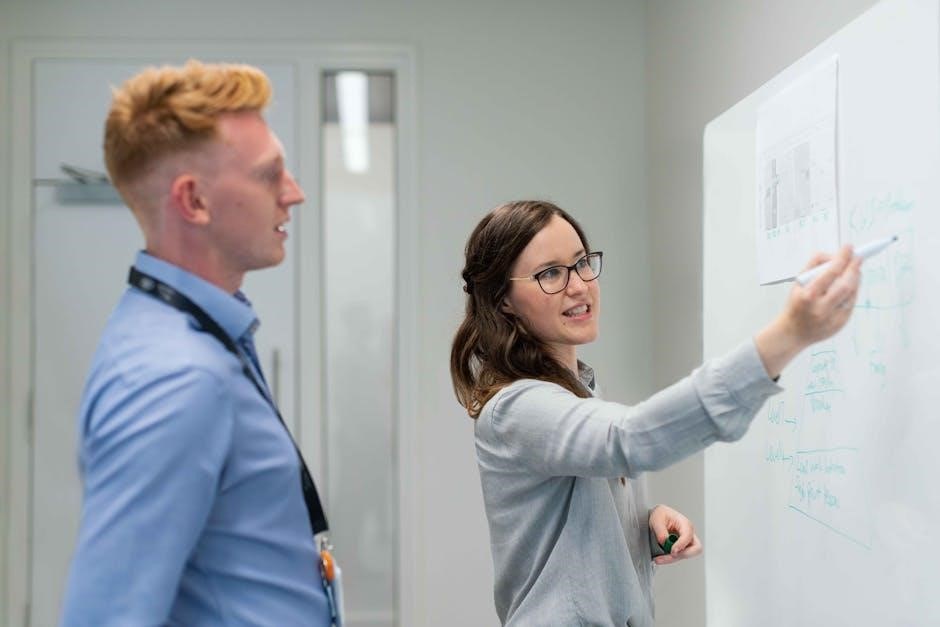
The Impact of School Culture
School culture profoundly impacts supervision and instructional leadership. A collaborative‚ supportive environment fosters trust and openness‚ encouraging teachers to embrace developmental feedback. Conversely‚ a toxic culture characterized by fear and blame hinders growth and innovation.

Strong leadership cultivates a shared vision for teaching and learning‚ aligning supervision with school-wide goals. Collegial relationships among staff promote shared responsibility for student success. A culture valuing continuous improvement encourages risk-taking and experimentation. Addressing negative norms and fostering positive interactions are vital. Supervisors must actively shape a culture that prioritizes professional growth and ethical practice.

Future Trends in Supervision and Instructional Leadership
Technology integration and a heightened focus on equity and inclusion will reshape supervision‚ demanding adaptive leadership and culturally responsive practices.
The Role of Technology
Technology is rapidly transforming supervision and instructional leadership‚ offering innovative tools for observation‚ feedback‚ and professional development. Digital platforms facilitate efficient data collection on instruction‚ enabling data-driven decision-making and personalized support for teachers.
Virtual coaching and mentoring programs extend reach‚ while learning management systems streamline access to resources and collaborative opportunities. However‚ equitable access to technology and robust training are crucial to avoid exacerbating existing disparities.
Effective instructional supervisors must embrace these tools strategically‚ ensuring they enhance—not replace—human interaction and foster a supportive‚ developmental environment. The future demands leaders proficient in leveraging technology to promote continuous improvement and teacher growth.
Focus on Equity and Inclusion
A central tenet of modern supervision and instructional leadership is a commitment to equity and inclusion. This necessitates recognizing and addressing systemic barriers that disproportionately impact marginalized students and teachers. Instructional supervisors must cultivate culturally responsive practices‚ promoting inclusive instruction that values diverse perspectives.
Developmental supervision should be tailored to individual teacher needs‚ acknowledging the influence of background and experience. Leaders must actively challenge biases and advocate for equitable resource allocation‚ ensuring all teachers have opportunities to thrive.
Creating a truly inclusive school culture requires ongoing dialogue‚ professional development‚ and a steadfast dedication to social justice‚ fostering a learning environment where every student and educator feels valued and empowered.