A Parent’s Guide to Children’s Teeth: From First Tooth to Teen Years
Navigating your child’s dental journey, from initial teething to the arrival of permanent teeth, requires informed guidance and proactive care. This guide offers essential insights.
Understanding Baby Teeth (Primary Dentition)
Baby teeth, also known as primary teeth, are crucial for a child’s development, playing a vital role in chewing, speech, and guiding permanent teeth into their correct positions. Typically, the first tooth emerges around six months, though this varies significantly between infants.
A full set of 20 primary teeth will eventually appear – ten in the upper jaw and ten in the lower jaw. These teeth are smaller and fewer in number than permanent teeth. They begin to loosen and fall out to make room for the adult teeth, a process usually starting around age six.
Proper care of baby teeth is paramount, as decay can still occur and impact the development of permanent teeth. Maintaining good oral hygiene habits early on sets the stage for a lifetime of healthy smiles.
The Timeline of Teething
Teething isn’t a precise schedule; it’s a developmental milestone with a broad timeframe. While the first tooth typically appears between 6 and 12 months, some babies teethe earlier or later. Lower central incisors are usually the first to erupt, followed by the upper central incisors.
This process continues over the next couple of years, with teeth emerging in pairs. By age three, most children have a full set of 20 primary teeth. However, the order and timing can vary considerably. Teething symptoms, like drooling, gum swelling, and irritability, can accompany each eruption.
Understanding this timeline helps parents anticipate and manage discomfort, providing appropriate soothing methods during this phase of development. Remember, each child is unique!
Caring for Baby Teeth
Though temporary, baby teeth are crucial for proper chewing, speech development, and guiding permanent teeth into their correct positions. Establishing good oral hygiene habits early is paramount. Begin cleaning your baby’s gums with a soft, damp cloth even before the first tooth appears.
Once teeth erupt, use a tiny smear of fluoride toothpaste (rice-grain size) and a soft-bristled toothbrush. As your child grows, gradually increase the amount of toothpaste; Consistent care prevents early childhood caries, a common issue. Remember, healthy baby teeth contribute to a healthy smile for years to come!
Prioritizing these habits sets the stage for a lifetime of good oral health.
Proper Brushing Techniques for Infants & Toddlers
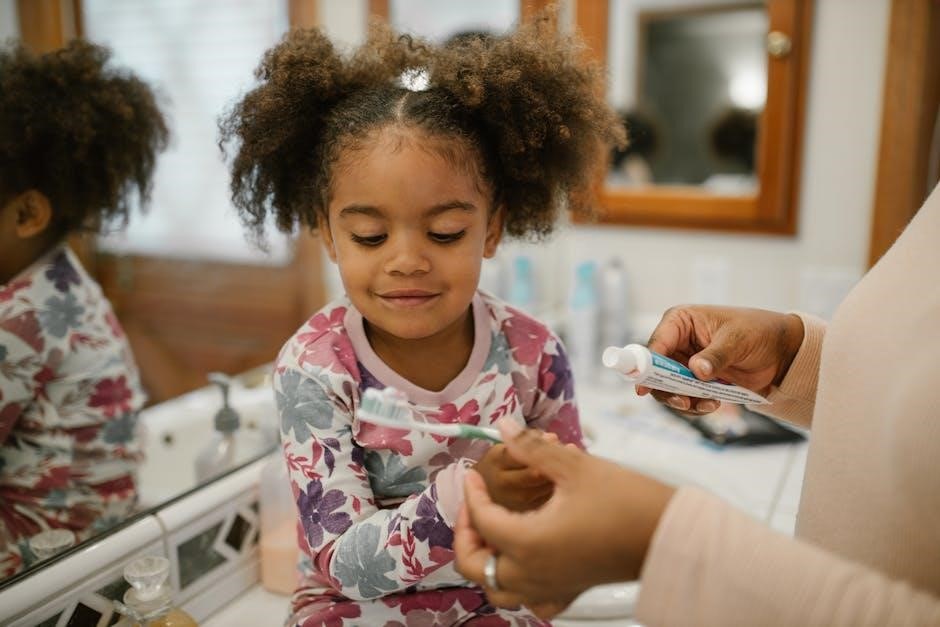
For infants, use a soft-bristled toothbrush and water, or a rice-sized smear of fluoride toothpaste. Gently brush all surfaces of each tooth, using small circular motions. Focus on the gumline where plaque tends to accumulate.
Toddlers require a pea-sized amount of fluoride toothpaste. Supervise brushing, encouraging them to spit out the toothpaste after brushing, but avoid rinsing immediately to maximize fluoride exposure. Make brushing fun with songs or a timer! Ensure you reach all surfaces – front, back, and chewing surfaces.

Brushing should be a positive experience, fostering lifelong oral hygiene.
Introducing Flossing to Young Children
Flossing becomes essential once teeth begin to touch, typically around ages two to three. Initially, you’ll need to floss for your child, as they lack the dexterity. Use floss picks or traditional floss, gently guiding it between each tooth.
Make flossing a regular part of their oral hygiene routine, ideally after brushing. Explain the importance of removing food particles and plaque from areas a toothbrush can’t reach. Be patient and consistent; it may take time for them to accept flossing.
Turn it into a game, and praise their cooperation. Proper flossing prevents cavities and gum disease.
Preventing Cavities in Children
Cavity prevention starts early and involves a multi-faceted approach. Limiting sugary drinks and snacks is crucial, as sugar feeds the bacteria that cause tooth decay. Encourage water consumption and offer healthy alternatives like fruits and vegetables.
Regular brushing and flossing, as previously discussed, are fundamental. Establishing a consistent oral hygiene routine is key. Consider dental sealants, protective coatings applied to the chewing surfaces of molars, to shield them from bacteria and food particles.
Regular dental check-ups allow for early detection and intervention, safeguarding your child’s dental health.
The Role of Diet in Dental Health
A child’s diet significantly impacts their dental health, extending beyond simply avoiding sweets. Frequent snacking, even on seemingly healthy foods, exposes teeth to acid attacks throughout the day. Encourage scheduled mealtimes and limit between-meal snacks.
Certain foods actively promote dental health. Crunchy fruits and vegetables, like apples and carrots, stimulate saliva production, which naturally cleanses the mouth. Dairy products provide calcium, strengthening tooth enamel.
Be mindful of acidic foods and drinks, such as citrus fruits and sodas, which can erode enamel. When consumed, encourage rinsing with water afterward. A balanced diet is a cornerstone of a healthy smile.
Fluoride: Benefits and Considerations
Fluoride is a naturally occurring mineral that plays a crucial role in preventing tooth decay. It strengthens tooth enamel, making it more resistant to acid attacks from bacteria and sugars. Fluoride can be found in community water supplies, toothpaste, and professional dental treatments.
However, it’s important to consider appropriate fluoride intake. Excessive fluoride during tooth development (before age eight) can lead to fluorosis, causing mild discoloration of the teeth.

Discuss fluoride supplementation with your pediatric dentist, especially if your water supply isn’t fluoridated. Using a pea-sized amount of fluoride toothpaste for children under three is recommended, and supervision is key.
First Dental Visit & What to Expect
The American Academy of Pediatric Dentistry recommends a first dental visit within six months of the first tooth erupting, or by the child’s first birthday – whichever comes first. This initial visit isn’t just about checking for cavities; it’s about establishing a “dental home.”
Expect a gentle and friendly environment. The dentist will likely examine your child’s mouth, discuss proper oral hygiene techniques, and answer any questions you may have. They may also discuss feeding habits and potential risk factors for decay.
Don’t be surprised if the dentist simply counts teeth and checks the gums during the first visit. The goal is to familiarize your child with the dental office and build trust.
Dealing with Common Dental Issues
Children frequently experience dental issues like tooth decay and the effects of habits such as thumb-sucking. Early detection and intervention are crucial for maintaining optimal oral health.
Tooth decay, or cavities, are a prevalent concern. Regular brushing, flossing, and limiting sugary snacks are vital preventative measures. If a cavity develops, the dentist may recommend a filling.
Prolonged thumb-sucking or pacifier use can impact tooth alignment and jaw development. Dentists can offer guidance and strategies to help break these habits. Addressing these issues early minimizes potential orthodontic problems later on.

Tooth Decay (Cavities) in Children
Cavities are a common childhood ailment, forming when bacteria in the mouth produce acids that erode tooth enamel. Sugary foods and drinks significantly contribute to this process, fueling bacterial growth.
Early signs include white spots on teeth, which can progress to brown or black cavities. Regular dental check-ups are essential for early detection. Dentists can identify and treat cavities before they become more severe, preventing pain and further damage.
Prevention is key: consistent brushing with fluoride toothpaste, limiting sugary intake, and regular flossing are vital. Sealants, protective coatings applied to molars, can also help prevent decay in vulnerable areas.
Thumb Sucking & Pacifier Use: Impact on Teeth
Prolonged thumb sucking or pacifier use can impact the alignment of a child’s teeth and jaw development. While common in infancy, these habits can become problematic if continued beyond a certain age, typically around age three.
Consistent pressure from the thumb or pacifier can cause protruding front teeth, open bites (where the upper and lower teeth don’t meet), and changes to the shape of the palate. These issues may require orthodontic intervention later in life.
Gentle encouragement to discontinue the habit is often effective. Consult with a dentist or pediatrician for guidance and strategies to help your child break free from thumb sucking or pacifier reliance.
The Transition to Permanent Teeth
The shift from primary (baby) teeth to permanent teeth is a significant milestone in a child’s development. Typically beginning around age six, this process continues throughout the pre-teen and teenage years, reshaping the mouth and impacting chewing function and speech.
As permanent teeth erupt, the roots of baby teeth dissolve, causing them to become loose and eventually fall out. This creates space for the adult teeth to emerge. It’s crucial to ensure proper oral hygiene during this time to prevent decay in both baby and emerging permanent teeth.
Monitor the eruption sequence and address any concerns, like crowding or impaction, with a dental professional.
When Do Permanent Teeth Erupt?
The eruption of permanent teeth follows a general timeline, though individual variations are common. The first permanent molars typically appear around age six, behind the last baby teeth, without replacing any existing tooth. Central incisors (front teeth) usually follow between ages six and seven.
Lateral incisors erupt around ages seven to eight, then canines between ages nine and twelve. Premolars emerge from ages ten to twelve, and finally, the second molars appear between ages eleven and thirteen. Wisdom teeth, if they develop, arrive during the late teens or early twenties.
Regular dental check-ups are vital to monitor this process and address any developmental concerns.
Lost Teeth: What Parents Need to Know
Losing baby teeth is a significant milestone, signaling the arrival of permanent teeth. Typically, the process begins around age six, continuing until age twelve or thirteen. A loose tooth should never be forcibly removed; allow it to fall out naturally. Gentle wiggling is okay if the tooth is very loose.
A small amount of bleeding is normal when a tooth comes out. Apply gentle pressure with a clean gauze pad until it stops. It’s important to reassure your child that losing teeth is a normal part of growing up.
Monitor the eruption of permanent teeth to ensure they are coming in correctly. Contact your dentist if you have any concerns.

Orthodontic Evaluation & Early Intervention
Early orthodontic evaluation, ideally around age seven, allows dentists to identify potential issues with jaw development and tooth alignment. While full braces aren’t usually needed at this age, early intervention can prevent more serious problems later.
Signs your child might benefit from an orthodontic evaluation include crowded teeth, protruding teeth, difficulty chewing, or speech problems. Addressing these concerns early can simplify future treatment and potentially reduce costs.
Interceptive treatments, like space maintainers, can be used to guide jaw growth and create room for permanent teeth. Regular dental check-ups are crucial for monitoring orthodontic needs.
Dental Injuries & Emergency Situations
Accidents happen, and knowing how to respond to dental emergencies is vital. A knocked-out tooth requires immediate attention – carefully retrieve the tooth, holding it by the crown (not the root), and rinse it gently with milk or saline solution.

If possible, try to reinsert the tooth into the socket. If that’s not feasible, store it in milk or saline and seek immediate dental care. For chipped or fractured teeth, collect any fragments and contact your dentist.
Soft tissue injuries, like cuts to the gums or tongue, should be cleaned with water and pressure applied to stop bleeding. Prompt dental intervention minimizes long-term complications.
What to Do If a Tooth is Knocked Out
A knocked-out tooth is a serious dental emergency demanding swift action. First, remain calm and reassure your child. Locate the tooth immediately, handling it delicately by the crown – avoid touching the root.
Gently rinse the tooth with milk or saline solution to remove any debris, but do not scrub it. Attempt to reinsert the tooth into its socket, ensuring it’s facing the correct way. If successful, have your child bite down gently on a clean cloth to hold it in place.
If reinsertion isn’t possible, store the tooth in milk or saline and seek immediate dental attention – ideally within 30 minutes, as chances of successful reimplantation decrease with time.
Choosing a Pediatric Dentist
Selecting a pediatric dentist is a crucial step in ensuring your child’s optimal oral health. Unlike general dentists, pediatric dentists specialize in the unique dental needs of infants, children, and adolescents.
Look for a dentist with experience and qualifications specifically in pediatric dentistry. Consider factors like the office environment – is it child-friendly and welcoming? Check for board certification and affiliations with reputable dental organizations.
Don’t hesitate to ask about the dentist’s approach to managing anxiety and their experience with children who have special needs. Read online reviews and seek recommendations from friends, family, or your pediatrician. A comfortable and trusting relationship is key!
The Importance of Regular Dental Check-ups
Consistent dental check-ups are foundational to maintaining your child’s oral health and preventing future problems. These visits aren’t just about identifying cavities; they encompass a comprehensive evaluation of your child’s teeth, gums, and overall oral development.
Regular check-ups allow the dentist to detect early signs of decay, gum disease, and other potential issues before they become serious. Professional cleanings remove plaque and tartar buildup, which brushing alone can miss.
Furthermore, these appointments provide an opportunity for preventative treatments like fluoride applications and personalized oral hygiene guidance. Establishing a routine early fosters positive dental habits for a lifetime of healthy smiles!
Protecting Teeth During Sports & Activities
Active children are prone to dental injuries, making protection during sports and recreational activities crucial. A seemingly minor impact can lead to chipped, fractured, or even knocked-out teeth, requiring costly and potentially extensive dental work.
Mouthguards are the primary defense against these injuries. Custom-fitted mouthguards, provided by a dentist, offer the best protection, conforming precisely to your child’s teeth for optimal fit and shock absorption.

Encourage your child to wear a mouthguard during any activity where there’s a risk of facial contact – not just contact sports like football or basketball, but also skateboarding, gymnastics, and even playground play. Prioritizing preventative measures safeguards their smile and overall well-being.
Mouthguards: A Necessary Investment
While the cost of a mouthguard might seem like an added expense, it’s a small price to pay compared to the potential costs and discomfort of treating a dental injury. Emergency dental visits, restorative procedures like fillings or crowns, and potential orthodontic work can quickly add up.
There are several types of mouthguards available: stock mouthguards (least expensive, least protective), boil-and-bite mouthguards (offer better fit after molding), and custom-fitted mouthguards (most expensive, best protection). A custom-fitted mouthguard, created by your dentist, is highly recommended for optimal comfort and effectiveness.

Investing in a quality mouthguard demonstrates a commitment to your child’s safety and protects their smile for years to come. It’s a proactive step that can prevent significant dental trauma.
Addressing Dental Anxiety in Children
Dental anxiety is common in children, and a parent’s approach can significantly impact their experience. Avoid using negative language about dental visits – phrases like “it won’t hurt” can inadvertently heighten fear. Instead, focus on the positive aspects, such as a healthy, bright smile.
Preparation is key. Talk to your child about what to expect during a check-up in simple, age-appropriate terms. Role-playing can also be helpful. Choose a pediatric dentist experienced in working with anxious children; they often employ techniques like tell-show-do.
Positive reinforcement, like a small reward after the appointment, can create positive associations. Remember, patience and understanding are crucial in helping your child overcome their dental fears.