Navigating men’s shirt sizing requires understanding key measurements and brand variations, ensuring a comfortable and stylish fit for every occasion, from work to weekend wear․
Why Accurate Measurements Matter
Precise shirt sizing is crucial for both comfort and appearance․ Ill-fitting shirts can appear sloppy, restrict movement, and diminish confidence․ Accurate measurements eliminate guesswork, reducing returns and ensuring a flattering silhouette․ Understanding your body’s dimensions allows you to confidently shop online or in-store, selecting shirts that complement your build․
Furthermore, variations between brands necessitate personalized measurements․ A size ‘M’ in one store might differ significantly from another․ Taking the time to measure your neck, chest, and sleeves guarantees a better fit, saving you time and money․ A well-fitted shirt enhances your overall style and projects a polished image, making a positive first impression․
Understanding Different Shirt Styles & Fits
Shirt styles and fits significantly impact how a garment should fit․ Classic dress shirts, intended for formal wear, generally offer a more tailored fit․ Casual shirts, like flannels or polos, often have a relaxed silhouette․ Understanding these distinctions is vital for accurate sizing․
Fit categories – slim fit, regular fit, and relaxed fit – further complicate matters․ Slim fit shirts are closer to the body, requiring precise measurements․ Regular fit provides a comfortable, standard cut, while relaxed fit offers maximum roominess․ Considering the intended use and desired aesthetic will guide your size selection, ensuring both comfort and style are achieved․
Key Measurements for Shirt Sizing
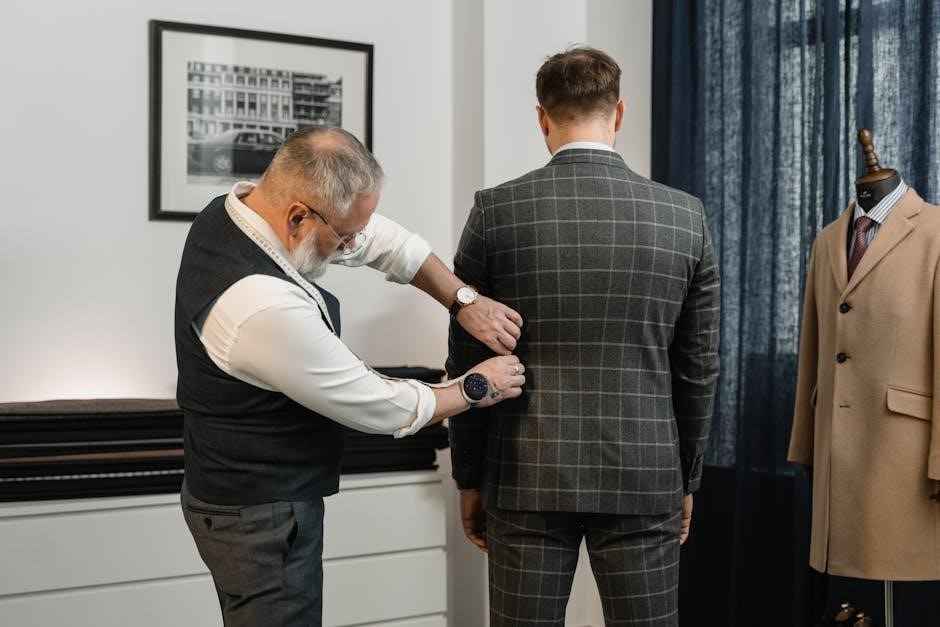
Essential measurements – neck, chest, sleeve length, and shoulder – are crucial for determining the correct shirt size and achieving a well-fitted garment․
Neck Measurement
Accurately measuring your neck is the foundation of finding the right shirt size․ Use a flexible measuring tape and position it snugly, but not tightly, around the base of your neck․ Ensure the tape is level and sits directly under your Adam’s apple․
Have someone assist you for the most precise reading, or carefully measure yourself in front of a mirror․ Round up to the nearest half-inch if your measurement falls between sizes․ This measurement is particularly important for button-down shirts and dress shirts, as the collar needs to comfortably accommodate your neck without being too loose or constricting․
A properly fitted collar enhances both comfort and appearance, preventing chafing and maintaining a polished look․
Chest Measurement
To determine your chest measurement, wrap a flexible measuring tape around the fullest part of your chest, keeping the tape level and under your armpits․ Breathe normally – do not inhale deeply or exhale completely – as this will affect the accuracy of the measurement․
Ensure the tape is snug but not tight, allowing for comfortable movement․ It’s helpful to have someone assist you with this step to ensure a precise reading․ Compare your measurement to the brand’s size chart, noting that chest size is a primary factor in determining overall shirt fit․
Consider whether you prefer a slimmer or more relaxed fit when selecting your size․
Sleeve Length Measurement
Accurately measuring sleeve length is crucial for a well-fitted shirt․ Start by bending your elbow slightly․ Measure from the center back of your neck, over your shoulder, and down your arm to your wrist bone․
It’s best to have assistance for this measurement to ensure accuracy․ Many brands offer sleeve lengths in increments of half an inch or one inch․ Consider your preference: a shorter sleeve for a more modern look, or a longer sleeve to show more cuff․
Remember to consult the specific brand’s size chart, as sleeve lengths can vary significantly․
Shoulder Measurement
Determining your shoulder measurement is vital for a comfortable and flattering shirt fit․ This measurement isn’t as commonly taken, but it’s important, especially for tailored or slim-fit shirts․
To measure, find the point where your shoulder meets your neck, and measure across your back to the point where your shoulder meets your arm․ Keep the measuring tape straight and level․
This measurement helps ensure the shirt’s yoke (the area across the upper back) sits correctly․ Compare your shoulder measurement to the brand’s size chart, as it directly impacts how the shirt drapes and feels․ A proper shoulder fit prevents pulling or restriction․
Standard Shirt Size Charts
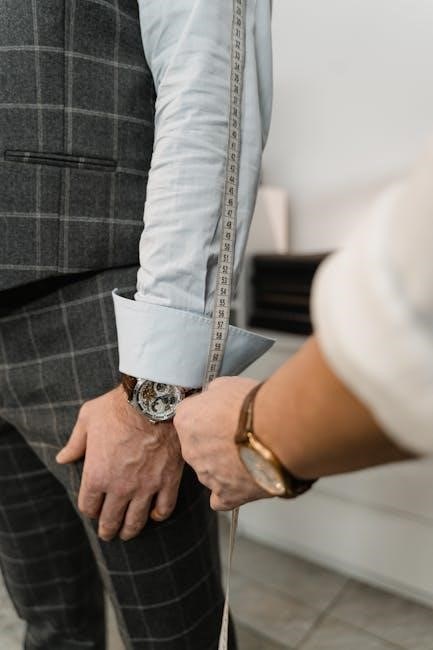
Explore common sizing systems – US, European, and Asian – to find your best fit, as variations exist between regions and brands for shirts․
US Standard Shirt Sizes
Generally, US standard shirt sizes are based on neck and sleeve length, with chest measurements playing a supporting role․ Common neck sizes range from 14 inches to 17․5 inches, often increasing in 0․5-inch increments․ Sleeve lengths typically start at 32 inches and extend to 36 inches or beyond, also in 0․5-inch steps․ A typical size breakdown includes Small (14-14․5 neck, 32 sleeve), Medium (15-15․5 neck, 33-34 sleeve), Large (16-16․5 neck, 35-36 sleeve), and Extra Large (17-17․5 neck, 36-37 sleeve)․
However, these are broad guidelines; fit can vary significantly․ It’s crucial to consult specific brand size charts, as cuts like slim fit or regular fit will influence the overall sizing․ Always prioritize accurate measurements over simply relying on a letter size․
European Standard Shirt Sizes
European shirt sizing differs from US standards, primarily utilizing a numerical system based on neck circumference in centimeters․ Sizes typically range from 37cm to 47cm, with increments of 2cm․ This translates roughly to US neck sizes, but direct conversion isn’t always accurate due to varying cuts․ For example, a size 40cm generally corresponds to a US 15․75-inch neck․ Sleeve lengths are often indicated separately in centimeters as well, like 68cm or 70cm․
When shopping European brands, carefully review their specific size charts, as fit preferences can differ․ Consider converting your US measurements to centimeters for a more precise match․
Asian Standard Shirt Sizes
Asian shirt sizes generally run considerably smaller than both US and European sizes․ This is a crucial point to remember when purchasing from Asian retailers or brands․ Sizes are often expressed in centimeters, but even then, a size labeled “Large” might fit like a US “Small” or even smaller․ It’s vital to meticulously check the brand’s size chart and compare your measurements directly․
Pay close attention to chest and shoulder measurements, as these are often the most significant differences․ Ordering one or two sizes up from your usual size is frequently recommended, but always prioritize the specific measurements provided by the seller․
Measuring Techniques: A Step-by-Step Guide
Accurate self-measurement is key to finding the perfect fit; utilize a flexible tape measure and, ideally, have a friend assist for precision and comfort․
How to Measure Your Neck Correctly
To accurately measure your neck, stand upright and relax your shoulders․ Wrap a flexible tape measure around the base of your neck, where the collar would naturally sit․ Ensure the tape is snug but not tight – you should be able to comfortably slide a finger underneath it․
Keep the tape measure level and parallel to the floor․ Read the measurement in inches or centimeters, depending on the size chart you are using․ It’s crucial to avoid pulling the tape too tightly, as this will result in an inaccurate, smaller measurement․ Round up to the nearest half-inch if your measurement falls between sizes․ This measurement is fundamental for determining the correct collar size for your shirts, impacting comfort and appearance․
How to Measure Your Chest Accurately
For an accurate chest measurement, wear a well-fitting, unpadded bra (if applicable)․ Stand naturally with your arms relaxed at your sides․ Wrap a tape measure around the fullest part of your chest, ensuring it’s level all the way around your body․
Keep the tape measure snug, but not constricting – breathe normally during the measurement․ Exhale naturally and record the measurement․ Unlike neck measurements, do not round up; use the exact measurement when consulting size charts․ This measurement is vital for determining the overall fit of the shirt across the chest and shoulders, impacting comfort and style․ Double-check the measurement for accuracy․
How to Measure Your Sleeve Length
To accurately measure sleeve length, put on a well-fitting shirt and stand with your arms relaxed at your sides․ Start the measurement at the center back of your neck, where a shirt collar would naturally sit․
Run the tape measure over the top of your shoulder, down the outside of your arm, and end at your wrist bone․ Keep your arm slightly bent during measurement․ Record this length in inches․ Many size charts specify sleeve length based on increments, so rounding to the nearest half-inch is acceptable․ Proper sleeve length ensures a polished look and comfortable range of motion․

Dealing with Variations in Brands
Brand sizing differs significantly; always consult specific charts before purchasing, and consider fit preferences like slim or regular for optimal results․
Brand-Specific Size Charts
Understanding that a “medium” at one store isn’t necessarily a “medium” everywhere is crucial․ Each brand constructs its garments with unique cut and fit philosophies․ Therefore, relying solely on your usual size can lead to disappointment․ Retailers like ASOS, Zara, and H&M all maintain their own detailed size guides, often available directly on their websites․
Nordstrom and Nordstrom Rack, carrying multiple brands, encourage checking each brand’s individual chart․ Amazon, with its vast marketplace, necessitates even greater diligence․ Always prioritize the specific size chart provided by the seller․ These charts typically detail measurements for neck, chest, and sleeve length, allowing for a more precise match․ Ignoring these brand-specific details can result in ill-fitting shirts, requiring returns or exchanges․
Understanding Fit (Slim Fit, Regular Fit, etc․)
Shirt fit dramatically impacts overall appearance and comfort․ “Slim fit” shirts are tailored closer to the body, offering a modern, streamlined silhouette․ “Regular fit” provides a classic, comfortable cut with more room through the chest and waist․ Other fits include “classic fit” – even looser than regular – and “athletic fit,” designed for broader shoulders and a narrower waist․
Consider your body type and personal preference when selecting a fit․ A slim fit might suit a leaner build, while a regular fit is more forgiving․ Understanding these distinctions is vital, as a shirt’s fit influences the size you’ll need․ Don’t assume your usual size will work across all fits; always consult the size chart!
Special Considerations
Certain body types and sizes require unique attention; big & tall options and adjustments for different builds ensure a proper, flattering shirt fit for everyone․
Big & Tall Sizes
For individuals requiring big and tall sizes, standard charts often fall short․ These men typically need to focus on both chest and sleeve length measurements, as these are the most crucial indicators of a good fit․ Neck size is also important, but often adjusts proportionally with chest measurements․
Many brands now offer extended sizing, but it’s vital to consult their specific size guides, as variations exist․ Pay close attention to the “belly” measurement if applicable, as this impacts the shirt’s overall comfort and drape․ Don’t hesitate to size up if you’re between sizes, prioritizing comfort and avoiding a restrictive fit․ Professional tailoring can further refine the fit for a truly customized look, especially for more formal shirts․
Shirt Sizes for Different Body Types
Understanding your body type is key to finding the perfect shirt fit․ For athletic builds, a slim-fit shirt might be ideal, emphasizing the V-shape․ Those with broader shoulders may need to prioritize shoulder measurements and consider a tailored fit․
Men with larger midsections often benefit from classic or relaxed-fit shirts, offering more room without appearing boxy․ Taller individuals require longer sleeve lengths, and brands offering “tall” sizes are essential․ Conversely, shorter men should look for shirts with adjustable cuffs or consider having sleeves shortened․ Accurate measurements, combined with awareness of your body shape, will dramatically improve your shirt-buying success․

Online Shopping & Size Guides
Retailer size charts are crucial when buying shirts online; carefully review them and cross-reference with customer reviews for accurate sizing information․
Utilizing Retailer Size Charts
When shopping for shirts online, retailer size charts are your primary tool for finding the right fit․ These charts typically provide measurements for chest, neck, and sleeve length, corresponding to specific sizes like Small, Medium, or Large․ However, remember that sizing can vary significantly between brands․
Always prioritize the retailer’s specific chart over general sizing guidelines․ Look for detailed charts that include both inches and centimeters․ Pay close attention to any notes about the shirt’s fit – whether it’s slim fit, regular fit, or classic fit – as this will influence how the garment sits on your body․ Don’t assume your usual size will automatically fit; measure yourself and compare those measurements to the chart․
Reading Customer Reviews for Size Accuracy
Customer reviews can offer invaluable insights into a shirt’s true size and fit․ Many shoppers share their experiences, noting whether a garment runs true to size, large, or small․ Pay attention to comments specifically mentioning sizing discrepancies or fit issues․
Look for reviews from customers with similar body types to yours․ Filter reviews by size if possible․ If multiple reviewers consistently report a particular sizing issue – for example, sleeves running short – it’s a strong indicator to adjust your order accordingly․ Remember that reviews are subjective, but patterns can reveal helpful information beyond the retailer’s size chart․

Resources for Further Assistance
For precise fitting, consider professional tailoring services; experts can expertly adjust shirts to your unique measurements for optimal comfort and style․
Professional Tailoring Services
When standard sizes fall short, professional tailoring offers a personalized solution for achieving the perfect shirt fit․ A skilled tailor can meticulously adjust various aspects of a shirt, including the sleeves, shoulders, and body, to conform precisely to your unique physique․ This ensures not only enhanced comfort but also a more polished and sophisticated appearance․
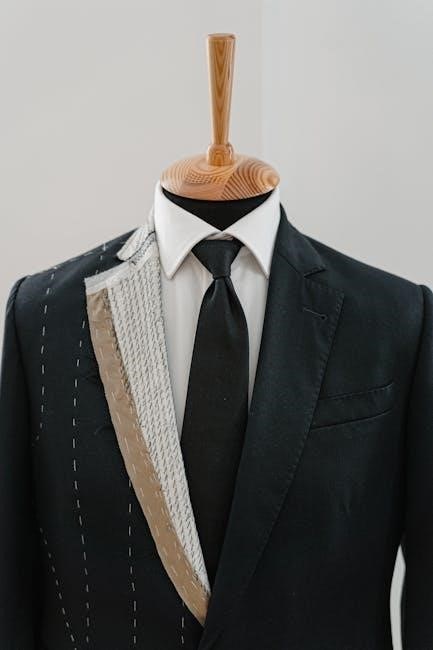
Tailors can address issues like a too-tight chest, excessively long sleeves, or an ill-fitting neckline․ They possess the expertise to alter shirts made from diverse fabrics, maintaining the garment’s integrity and aesthetic appeal․ Investing in tailoring can transform an off-the-rack shirt into a custom-like piece, elevating your overall style and confidence․ Don’t hesitate to seek professional guidance for a truly impeccable fit․